
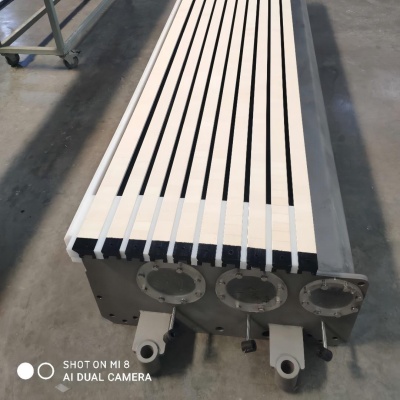
The forming section is where stock begins its transformation into a paper sheet, making it one of the most critical areas of the papermaking process. During this stage, retention, dewatering and machine speed must work together in harmony. Any change in one parameter immediately influences the other two, directly affecting production stability, sheet formation and finished paper quality.
As paper machines continue to operate at higher speeds, maintaining this balance has become increasingly challenging. A successful forming section is no longer defined by rapid drainage alone—it must also provide stable first-pass retention and consistent sheet formation.
These three operating parameters are closely linked.
Increasing machine speed shortens the residence time of stock on the forming fabric. Because approximately 70–80% of the water must be removed in the forming section, the drainage system must work more efficiently within a much shorter time.
Additional vacuum capacity can accelerate water removal, but excessive vacuum may create uneven drainage, poor formation and increased marking.
At the same time, higher machine speeds generate stronger hydraulic shear forces that break down fiber flocs, allowing more fines and fillers to pass through the forming fabric. This often results in reduced first-pass retention, particularly when producing lightweight grades, recycled fiber products or papers containing high filler levels.
Rapid drainage introduces another challenge. As water passes through the forming fabric more quickly, greater quantities of fine fibers and fillers may be carried into the white water system, reducing overall retention efficiency. Therefore, maximizing drainage alone rarely produces the best operating results.
Optimizing the forming section begins with selecting suitable equipment.
The forming fabric plays a major role in determining drainage characteristics, fiber support and sheet formation.
For high-speed paper machines, triple-layer or SSB forming fabrics generally provide improved fiber support and higher retention compared with conventional 2.5-layer fabrics, while maintaining sufficient drainage capacity.
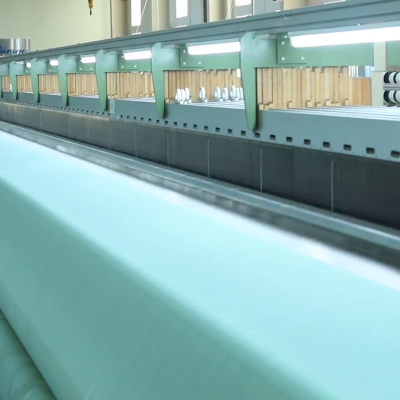
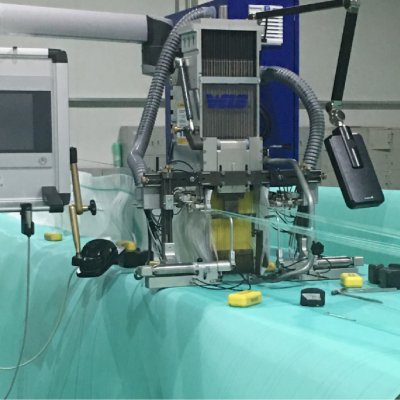
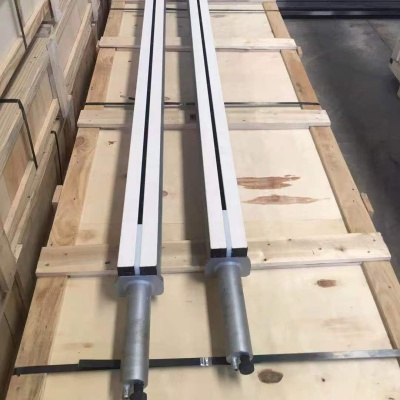
Proper arrangement of forming boards, hydrofoils, table rolls and vacuum suction boxes creates a progressive drainage profile across the forming section.
For twin-wire formers, vacuum settings and jet-to-wire speed ratio should be carefully adjusted to balance drainage from both sides of the sheet and achieve uniform filler distribution.
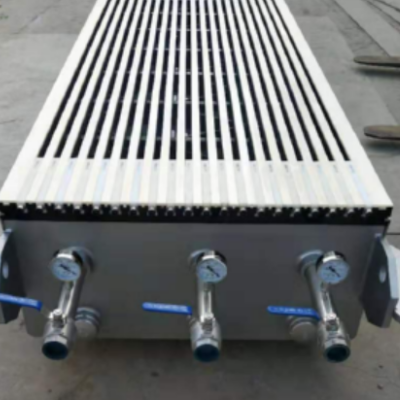
Every forming section has a practical operating limit. Increasing speed beyond the design capability of the drainage system may reduce sheet stability and negatively influence downstream press and dryer performance.
Mechanical optimization alone cannot achieve the best results. A stable wet-end chemistry program is essential for balancing drainage and retention.
Modern retention and drainage aid systems can simultaneously improve:
First-pass retention
Drainage efficiency
Machine cleanliness
Production stability
Successful chemical programs also depend on maintaining consistent wet-end conditions. Variations in pH, conductivity, fine fiber content and dissolved or colloidal substances (DCS) all influence chemical performance and should be monitored continuously.
Many mills have reported measurable productivity improvements after optimizing their wet-end chemistry, including higher operating speeds without compromising paper quality.
Equipment and chemistry must be supported by appropriate operating practices.
When drainage becomes insufficient at higher machine speeds, increasing headbox consistency is rarely the best solution because it may reduce sheet formation and basis-weight uniformity.
Instead, mills should optimize drainage elements, vacuum distribution and chemical dosage before adjusting stock consistency.
Machine speed should also be increased gradually after confirming that the forming, press and drying sections can all accommodate higher production rates.
Finally, maintaining a clean white water system is essential. Regular cleaning and effective removal of dissolved contaminants help preserve wet-end stability and improve long-term machine performance.
Balancing retention, dewatering and machine speed is not achieved by optimizing a single component. It requires coordinated improvements in forming fabrics, dewatering elements, wet-end chemistry and operating practices.
Paper mills that focus on this integrated approach can achieve:
Higher first-pass retention
More efficient drainage
Better sheet formation
Increased machine speed
Improved paper quality
Lower operating costs
More stable long-term production
Rather than pursuing maximum speed alone, successful mills establish a stable wet-end system first and then increase productivity through continuous optimization.
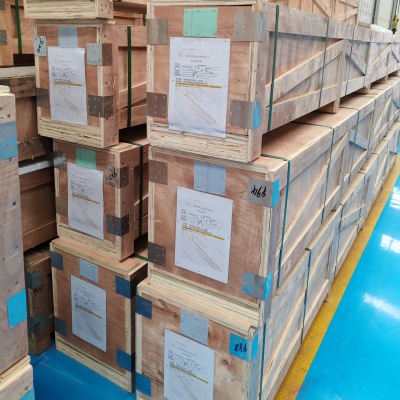
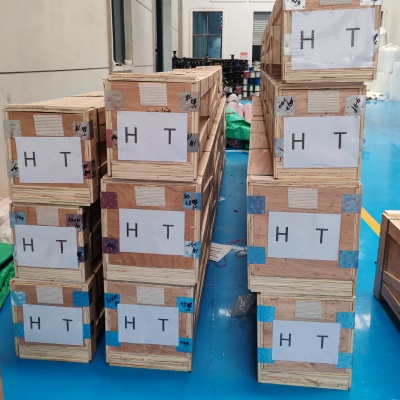
Huatao Group supplies a complete range of forming section equipment and consumables for tissue, packaging, kraft and cultural paper machines.
Our product range includes:
SSB Forming Fabrics
Double-Layer and Triple-Layer Forming Fabrics
Press Felts
Woven & Spiral Dryer Fabrics
Forming Boards
Hydrofoils
Ceramic Dewatering Elements
Low, High and Ultra-Low Vacuum Boxes
Bi-Vac and Tri-Vac Vacuum Boxes
Uhle Boxes
Felt Suction Boxes
Ceramic Covers and Other Forming Section Components
Our engineering team helps paper mills optimize forming performance through equipment selection, process evaluation and customized technical solutions.
Website: www.papermakingtech.com
Email: market@huataogroup.com
WhatsApp / WeChat: +86 18033763037
#PaperMachine #FormingSection #FormingFabric #FirstPassRetention #WetEndOptimization #WetEndChemistry #Dewatering #VacuumBox #PaperIndustry #PaperMill #PaperTechnology #PaperMachinery #PaperMachineParts #PulpAndPaper #HuataoGroup
can not be empty
can not be empty

HUATAO GROUP
ADD : No.298 Zhonghua North Street, Xinhua District, Shijiazhuang City, China.
TEL : +86 0311 80690567
EMAIL :market@huataogroup.com
Web: www.papermakingtech.com
Mobile: +86 18033763037 (  WhatsApp)