
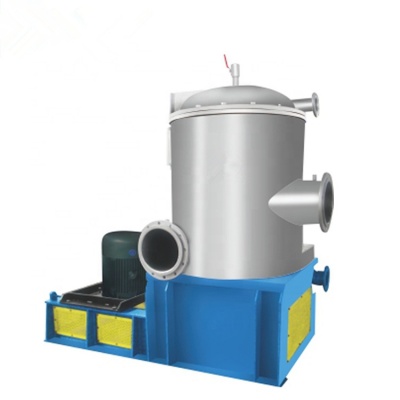
Choosing the right pressure screen is one of the most consequential decisions in stock preparation. The screen must match your furnish, protect downstream equipment, and deliver consistent pulp quality without unnecessary fiber loss. Yet many mills still select pressure screens based on nameplate capacity alone, overlooking the critical relationships between screening stage, basket design, rotor configuration, and operating consistency.
This guide walks through the key selection criteria and explains how HUATAO GROUP supports mills worldwide with pressure screens, screen baskets, rotors, and related spare parts.
Choose a pressure screen by matching it to your furnish, screening stage, capacity, and target sheet quality — not by selecting a machine in isolation. Start with the process position, select the basket according to pulp type, size from actual operating conditions, and verify performance under realistic conditions.
Coarse screening uses drilled baskets; fine screening uses slotted baskets.
Match basket opening geometry to furnish and contaminant type.
Size from dry-solids feed rate, not nameplate capacity.
Rotor design and speed affect efficiency, plugging, and fiber loss.
Balance contaminant removal with usable fiber recovery.
Evaluate total cost per tonne of accepted pulp.
Verify supplier performance data under comparable conditions.
| Factor | Consideration | Typical Range / Options |
| Screening stage | Coarse, fine, approach flow | Different basket designs |
| Basket type | Drilled vs. slotted | Holes 1.2–2.0 mm; slots 0.10–0.55 mm |
| Furnish | OCC, virgin, bagasse, deinked | Contaminant profile varies |
| Capacity | Dry-solids feed rate, consistency | ADt/day, % consistency |
| Rotor | Geometry, speed, clearance | Aggressive vs. gentle profile |
| Fiber loss | Accept quality vs. yield | Reject rate, fiber in rejects |
| Total cost | Energy, wear parts, downtime | kWh/ADt, basket life |
A pressure screen is a stock preparation device that separates accept pulp from reject contaminants using a perforated or slotted screen basket and a rotating rotor. The rotor creates hydraulic pulses that keep the basket surface clear while maintaining stock circulation. Accept pulp passes through the basket openings, while rejects are discharged through a separate outlet.
Pressure screens operate within the cleaning and screening stage of stock preparation. Upstream, pulpers and detrashing systems break down raw material. Downstream, refiners develop fiber properties, and cleaners remove heavy and light contaminants. The pressure screen protects downstream equipment such as refiners, headboxes, and paper machine forming sections from damage and plugging.
Screen Basket: The basket is the working heart of the screen. It is available in drilled or slotted configurations. Slotted baskets use V-shaped wedge wire geometry for self-cleaning action. Materials include SS304 and SS316 stainless steel.
Rotor: The rotor generates hydraulic pulses. Geometry, speed, and clearance affect screening efficiency and energy consumption. Aggressive profiles help prevent blinding at higher consistency.
Housing and Drive: The housing contains the basket and rotor and directs flow. Drive systems must provide reliable speed control and overload protection.
Pressure screens are used in OCC, virgin wood pulp, bagasse, deinked pulp, and specialty fiber lines. Coarse screens handle high-contaminant furnishes. Fine screens target stickies, shives, and small contaminants. Approach flow screens protect headbox performance and sheet quality.
Match the screen to the screening stage.
Select the basket according to pulp furnish.
Choose the appropriate screen opening.
Calculate capacity based on actual operating conditions.
Match rotor design with the screen basket.
Balance contaminant removal with fiber recovery.
Evaluate screening performance across different pulp grades.
Consider the total cost per tonne of accepted pulp.
Verify performance under realistic conditions.
Plan for future capacity expansion and spare parts compatibility.
Daily production target (ADt/day)
Furnish type and contaminant loading
Feed consistency and variability
Required accept quality
Allowable fiber loss
Available pressure, water balance, power supply
Floor space and installation restrictions
| Criterion | Drilled Basket | Slotted Basket | ||
| Opening type | Holes |
|
||
| Typical size | 1.2–2.0 mm | 0.10–0.55 mm | ||
| Application |
|
Fine screening | ||
|
Large debris, plastics | Stickies, shives | ||
| Open area | 25–30% | Lower | ||
| Self-cleaning | Limited | V-shaped wedge wire | ||
| Fiber loss |
|
Higher if too fine |
When procuring a pressure screen or replacement basket, provide the supplier with:
Mill location, pulp source, paper grade
Production capacity, machine width and speed
Equipment model and OEM
GA and detailed drawings
Flow, consistency, pressure, temperature
Material grade, certificates, tolerances
Inspection plan and acceptance criteria
HUATAO provides replacement Screen Basket components and Out Flow Pressure Screen (Fine Screen) equipment compatible with major OEM systems.
Verify basket slot/hole dimensions and tolerances
Check surface finish and weld quality
Confirm material certificates
Inspect rotor clearance and balance
Review factory test data
Confirm spare parts list and documentation
| Symptom | Possible Causes | Checks / Actions | ||
| Screen basket plugs | Wrong slot, stickies, low reject, poor dilution | Inspect basket, rotor clearance, reject system | ||
| Screen pressure drop rises | Plugging, flow overload, unsuitable consistency | Measure flows, pressure, consistency | ||
|
Misalignment, incorrect gap, abnormal loading | Check bearings, plate condition, calibration | ||
| Frequent sheet breaks | Poor formation, wet-end instability, felt contamination | Review section-by-section break logs | ||
| Vacuum energy excessive | Leaks, over-vacuum, wrong control strategy | Audit vacuum levels, seals, control | ||
| Washer performance weak | Overload, poor dilution, stage balance | Verify mass balance and sampling methods |
Shift/daily: Observe pressure drop, accept quality, reject flow
Weekly: Clean basket and rotor, check dilution
Monthly: Trend energy consumption and fiber loss
Planned shutdown: Inspect basket wear, rotor clearance, seals
Spare inventory: Critical baskets, rotors, seals
What is the difference between coarse and fine pressure screening?
Coarse screening uses drilled baskets with larger holes to remove big debris, plastics, and unpulped fiber bundles. Fine screening uses slotted baskets with narrow slots to remove stickies, shives, and small contaminants. Coarse screening protects the fine screen from damage and plugging.
How do I choose between a hole basket and a slotted basket?
Choose a hole basket for high flow capacity and durability in coarse screening. Choose a slotted basket for fine screening and stickies removal. The V-shaped wedge wire in slotted baskets provides some self-cleaning action for elongated contaminants.
What slot size should I use for OCC pulp?
For OCC and mixed waste, fine screening typically uses slots between 0.15 and 0.35 mm, depending on contaminant loading and target pulp cleanliness. Coarser slots improve capacity but allow more stickies to pass.
How does consistency affect pressure screen performance?
Low-consistency screening (around 1%) provides good fiber separation. Medium-consistency (2.5% or higher) increases capacity but may require more aggressive rotor action to prevent plugging. Reject thickening must be managed with proper dilution.
Why does my screen basket plug frequently?
Common causes include wrong slot size for the furnish, high stickies content, insufficient reject flow, poor dilution, or worn rotor clearance. Inspect the basket, rotor, and reject system first.
How often should I replace a pressure screen basket?
Basket wear life depends on furnish abrasiveness, contaminant loading, and operating hours. Some mills replace baskets every 6–12 months; others get several years. Monitor pressure drop, accept quality, and visible wear.
Can I upgrade my existing pressure screen with a different basket or rotor?
Many pressure screens can be upgraded with replacement baskets and rotors to improve screening efficiency or adapt to new furnishes. Check compatibility with the original equipment manufacturer or a qualified aftermarket supplier.
What information should I provide to a pressure screen supplier?
Provide daily production target, furnish type, feed consistency, contaminant loading, required accept quality, allowable fiber loss, available pressure, and floor space. Also share existing equipment model and drawings if available.
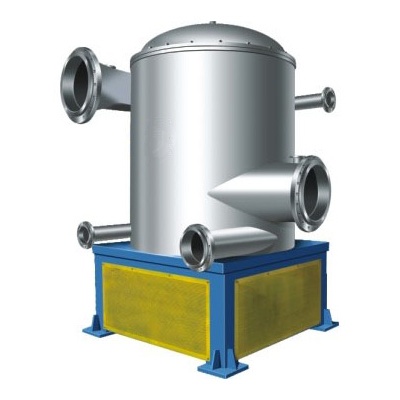
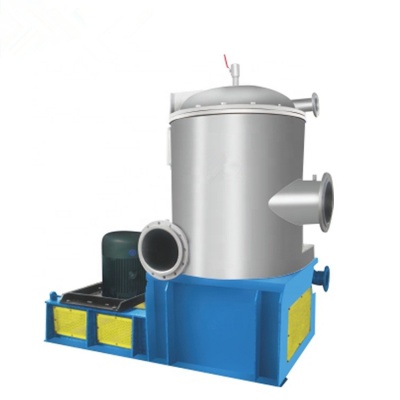
If you need help selecting a pressure screen, specifying a screen basket, or sourcing replacement rotors and spare parts, HUATAO's technical team can assist.
Contact: Huatao
Email: market@huataogroup.com
Phone / WhatsApp: +86 18033763037
Website: http://www.papermakingtech.com
We warmly welcome customers from around the world to contact us and establish mutually beneficial partnerships.
can not be empty
can not be empty

HUATAO GROUP
ADD : No.298 Zhonghua North Street, Xinhua District, Shijiazhuang City, China.
TEL : +86 0311 80690567
EMAIL :market@huataogroup.com
Web: www.papermakingtech.com
Mobile: +86 18033763037 (  WhatsApp)